
How AI Development Is Reshaping Modern Digital Product Experiences
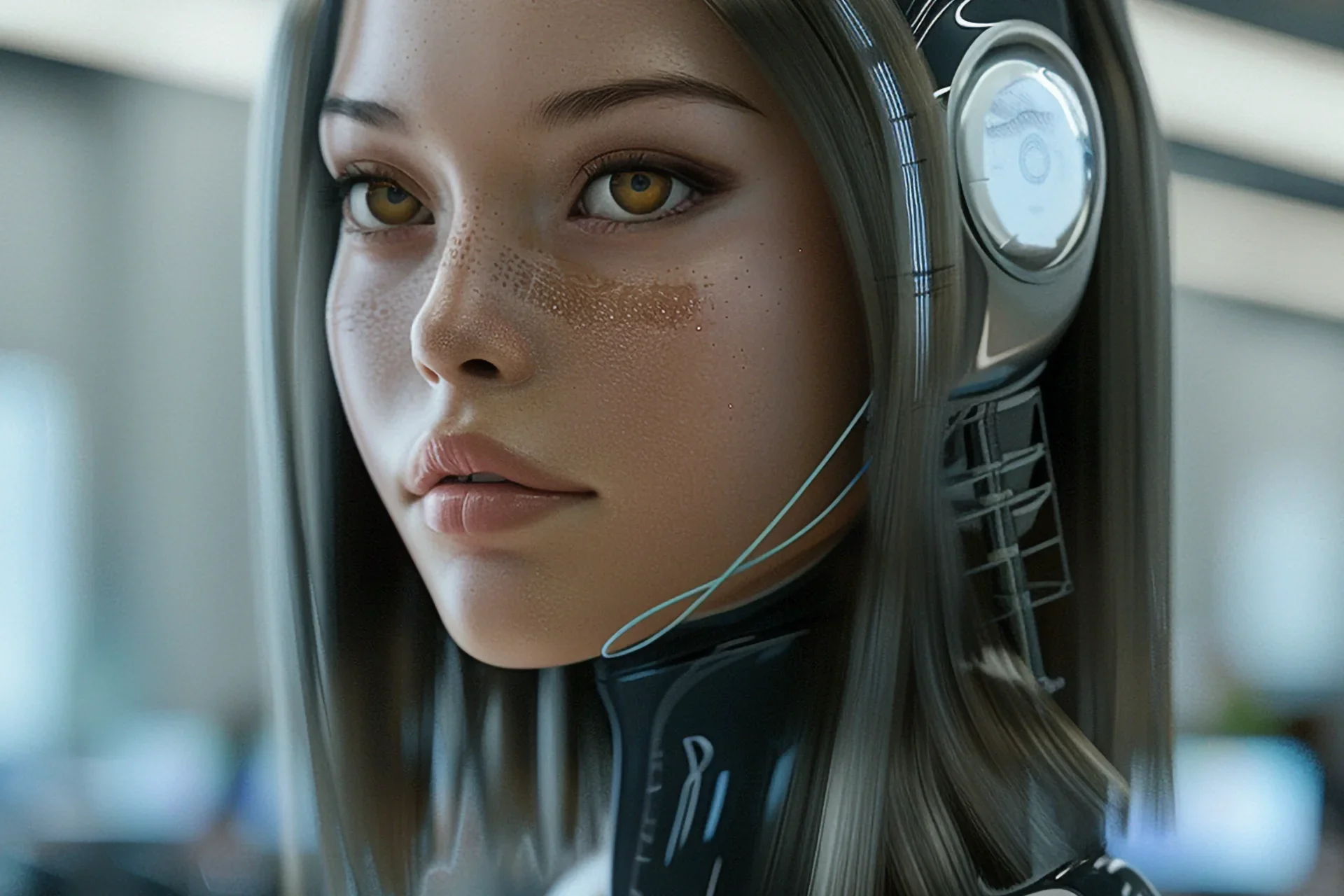
Digital products are no longer just tools, they’re becoming experiences. What once relied on static features and fixed flows is now evolving into something far more dynamic, driven by AI. As AI development advances, products are shifting from reactive systems to ones that anticipate, adapt, and personalize. The result is a completely different way users interact with technology.
From Fixed Interfaces to Adaptive Experiences
Traditional digital products follow predefined paths. Users click, navigate, and adjust themselves to the system. But AI is changing this dynamic.
Modern products are beginning to respond in real time by adjusting content, recommendations, and interactions based on user behavior. This creates a more fluid experience, where the product feels less like a tool and more like an assistant.
Personalization at the Core
One of the most visible impacts of AI is personalization. Instead of offering the same experience to everyone, products can now tailor themselves to individual users.
Over time, this leads to:
– More relevant recommendations
– Faster decision-making for users
– Increased engagement and retention
Personalization shifts the focus from “what works for most” to “what works for you.”
Smarter, Faster Interactions
AI is also redefining speed—not just in performance, but in decision-making. Tasks that once required multiple steps are now simplified through automation and prediction.
Whether it’s search, customer support, or content delivery, AI reduces friction by anticipating what users need before they explicitly ask for it.
The Rise of Predictive Design
Design is no longer just about layout and visuals. With AI, it becomes predictive.
Products can now:
– Suggest actions before users take them
– Highlight relevant options based on context
– Reduce cognitive load by simplifying choices
This makes interactions feel smoother and more intuitive, even if the user isn’t aware of what’s happening behind the scenes.
The Balance Between Automation and Control
As products become more automated, the challenge is maintaining user trust. Too much automation can feel intrusive or confusing if users don’t understand why something is happening.
– Users still want control over decisions
– Transparency builds confidence in AI-driven features
– Clear feedback helps users feel in control
The best experiences are those where AI supports the user without overwhelming them.
The Role of Thoughtful Implementation
AI on its own doesn’t guarantee a better product. The way it is implemented determines whether it enhances or complicates the experience.
Successful digital products focus on:
– Solving real user problems, not just adding AI features
– Keeping interactions simple and intuitive
– Continuously improving based on user feedback
Without this clarity, AI can add complexity instead of value.
Conclusion
AI development is not just improving digital products but it’s redefining them. The shift is from static to adaptive, from generic to personalized, and from reactive to predictive.
But the goal remains the same: creating experiences that feel effortless and meaningful for the user. Because in the end, the best technology isn’t the most advanced, it’s the one that feels the most natural to use.